Our Pool Building Services in Wellington
-
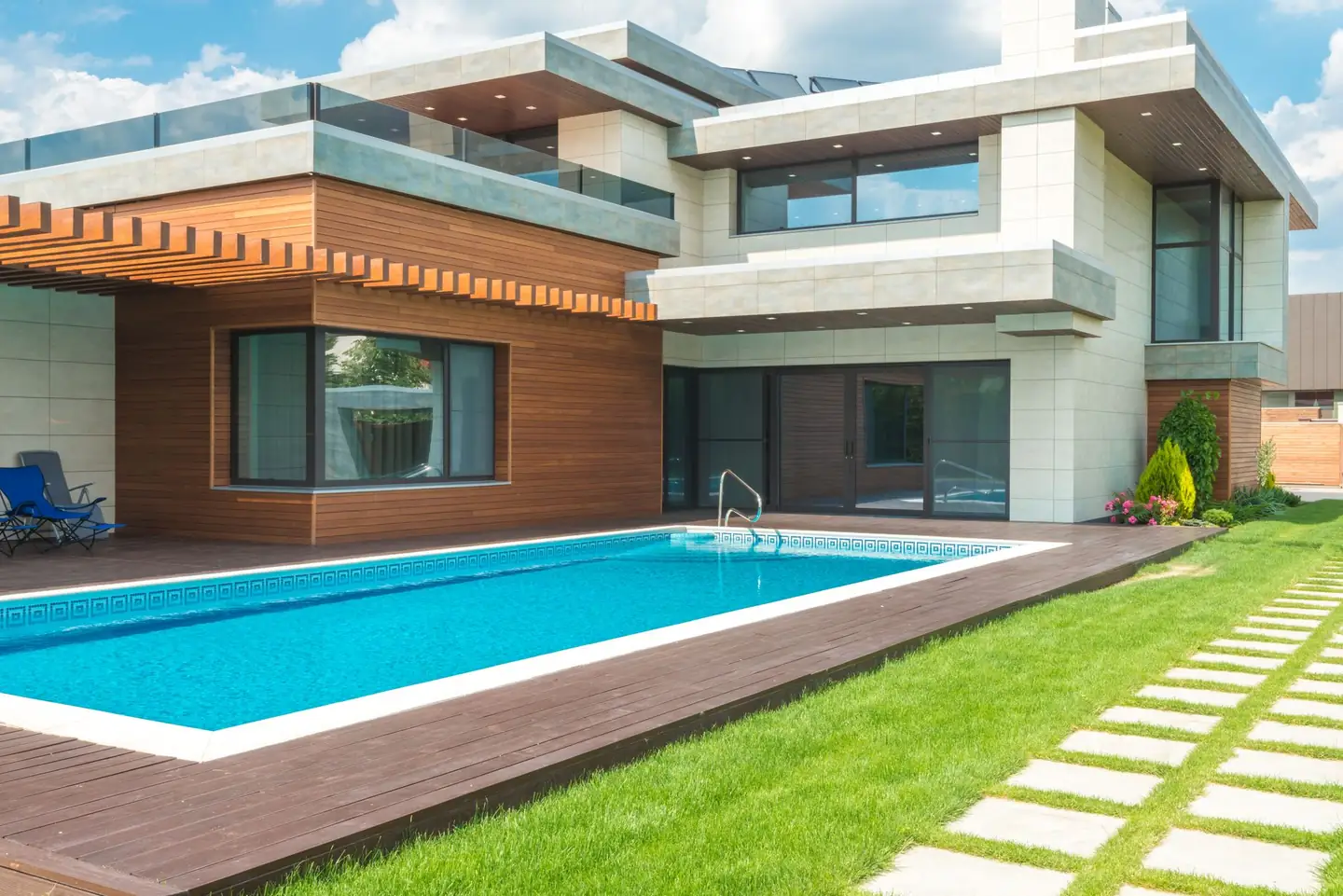
Concrete Pool Construction in Wellington
Engineered, steel-reinforced concrete pools built to last for decades across Wellington and the wider Dubbo Regional area.
-
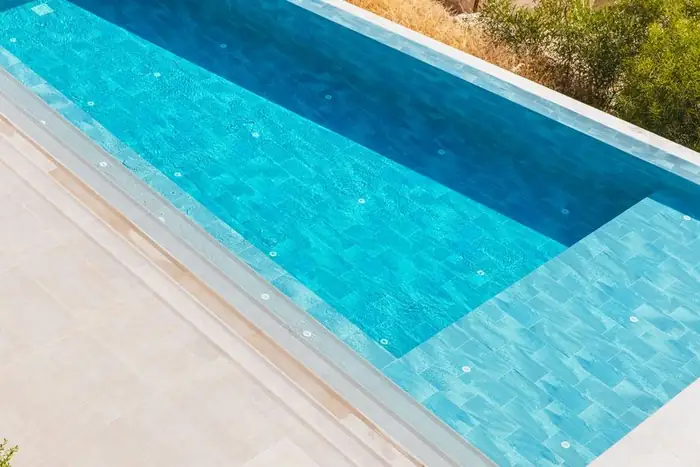
Fibreglass Pool Installation in Wellington
Fast, low-maintenance fibreglass pools craned into place for Wellington homes, and often swim-ready within one to two weeks.
-
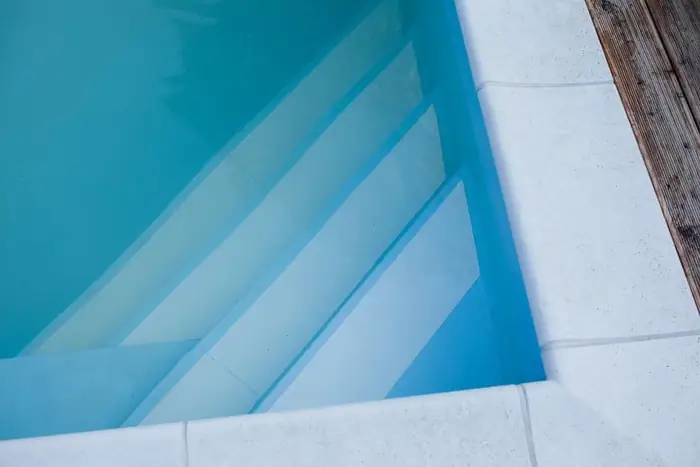
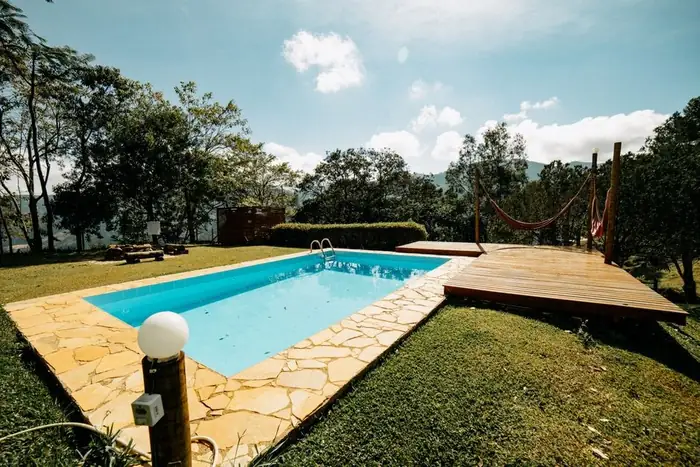
Plunge Pool Construction in Wellington
Compact plunge pools that bring deep, cooling water to small Wellington yards, terraces and tight courtyards.
-
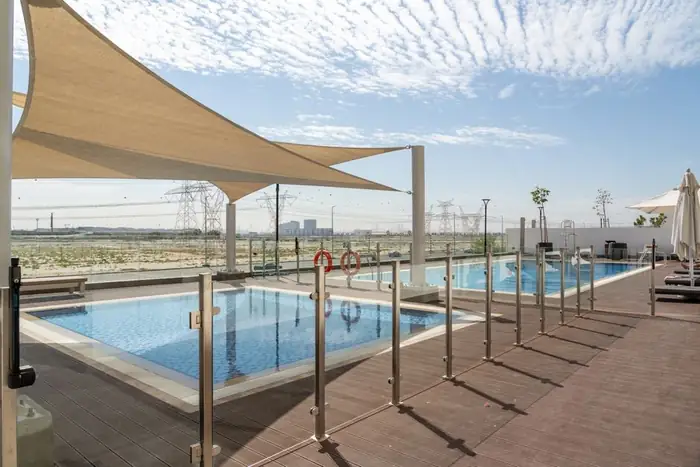
Pool Fencing & Safety Barriers in Wellington
Pool fencing across Dubbo Regional that meets NSW barrier law: correct height, self-closing gate and a clear non-climbable zone.
-
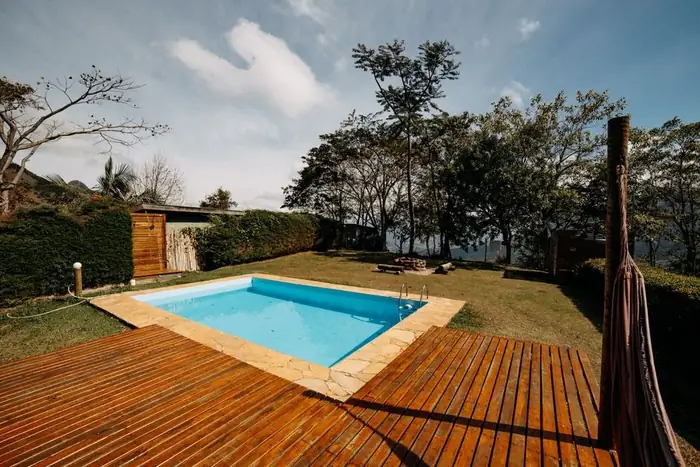
Pool Decking & Paving in Wellington
Durable decking and paving framing your Wellington pool, chosen to handle splash-out, heat and the Far West and Orana climate.
-
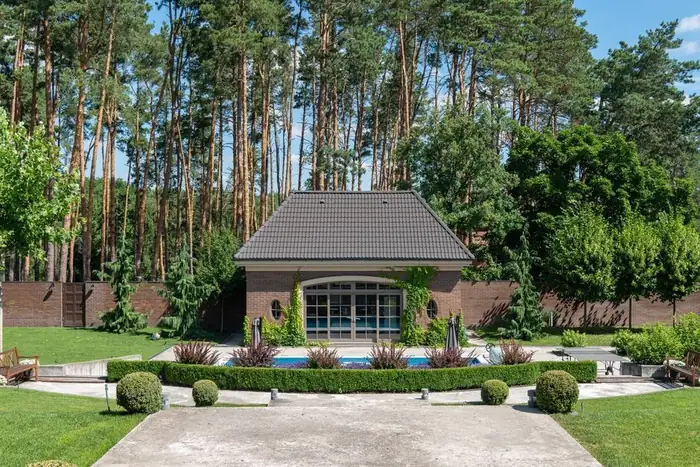
Pool Landscaping & Surrounds in Wellington
Complete poolside areas in Wellington, from coping and pavers to garden beds, privacy screens and soft outdoor lighting.
What a Local Pool Build Involves in Wellington
Putting a pool into a Wellington backyard is rewarding, and most of the value comes from getting the early decisions right. A local builder works through the site with you before any commitment, weighing access, soil, slope and the spot that will catch the most sun, then matches a design and a pool type to what the block can realistically take. The build itself follows a logical order: approvals, set-out and excavation, the steel and plumbing, the shell, the safety fencing required under New South Wales law, then the paving, landscaping and interior finish that pull the space together. A builder familiar with Dubbo Regional knows how the approval path tends to run here, whether through a private certifier as a Complying Development or through a Development Application with council, and plans the job around it. That same familiarity helps with the small things that derail unprepared builds, such as where a crane can stand or how to protect an established tree. A pool genuinely suits the Far West and Orana climate, extending how a household uses its yard well beyond the peak of summer. With the groundwork done carefully, a Wellington pool build proceeds in measured stages rather than lurching from one surprise to the next.
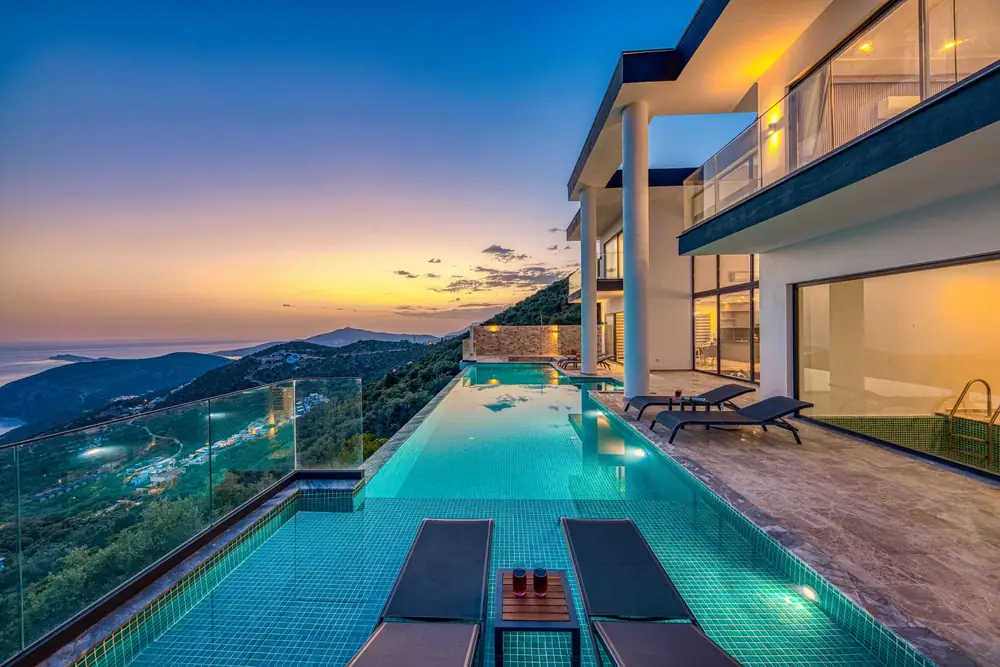
The Range of Pool Work Available in Wellington
A homeowner in Wellington can draw on a broad spread of pool services, from a complete new build through to a small repair. At the larger end sit new concrete and fibreglass pools, each suited to different blocks and budgets across Dubbo Regional: concrete for full design freedom and longevity, fibreglass for a faster, lower-maintenance result. Compact options round out the new-build range, with plunge pools designed for courtyards and lap pools shaped to long, narrow sites. Renovation is just as significant a category, covering interior resurfacing in finishes such as quartz or pebble, reshaping, new tiling, fresh paving and modern, efficient equipment that cuts running costs on an older Wellington pool. Fencing is a distinct service because the law in New South Wales requires a compliant child-safety barrier to AS 1926.1, with a self-closing, self-latching gate and a non-climbable zone. Heating, whether solar, heat-pump or gas, opens up far more of the year for swimming in the Far West and Orana climate, and poolside landscaping ties the pool into the rest of the yard with paving, decking and planting. Whether the need is a whole pool or one component, there is a service that fits.
- Concrete Pool Construction in Wellington
- Fibreglass Pool Installation in Wellington
- Plunge Pool Construction in Wellington
- Lap Pool Construction in Wellington
- Infinity & Wet-Edge Pools in Wellington
- Small & Courtyard Pools in Wellington
- Pool Renovation & Remodelling in Wellington
- Pool Resurfacing & Interiors in Wellington
- Pool Fencing & Safety Barriers in Wellington
- Pool Landscaping & Surrounds in Wellington
- Pool Decking & Paving in Wellington
- Pool Heating & Solar in Wellington
- Saltwater Pool Systems in Wellington
- Mineral Pool Systems in Wellington
- Spa & Spa-Pool Installation in Wellington
- Pool Repairs & Leak Detection in Wellington
Comparing Pool Types for Wellington Properties
Pool types differ more than most Wellington homeowners expect, and the right one follows from the block rather than from a brochure. A concrete pool is built in place, so it can be shaped to a sloping or unusual Dubbo Regional site and carry features such as a beach entry, an integrated spa or a wet edge; the trade-off is a longer build and a higher cost, commonly $55,000 to $120,000 or more. A fibreglass pool is a factory shell lowered into the excavation, which keeps the install short, the running maintenance light and the price lower at around $35,000 to $75,000 installed, with the limitation that the shape and size come from a set range. For a tight backyard a plunge pool gives depth and a cooling soak in a small footprint, while a lap pool answers a household that swims for fitness and has a long, slender strip to work with. A courtyard pool fits a terrace or side space, and an infinity edge suits a Far West and Orana block with a fall and a view to draw the eye across. The block, the budget and the way the pool will be used decide which of these fits a Wellington home best.
Which Pool Suits Your Wellington Property
Picking a pool for a Wellington home comes down to how the strengths of each type line up with the block, the budget and the intended use. Concrete delivers complete design freedom and exceptional longevity, since it is formed and sprayed in place and can be shaped to any block, including awkward or sloping Dubbo Regional sites, and finished with high-end features; the trade-off is the highest cost and the longest build, typically a few months. Fibreglass takes the opposite approach, with a moulded shell craned in for a quick install, a low-maintenance gelcoat finish and lower running costs, the catch being that shape and size are set by the available moulds. Two further options earn their place on smaller properties. A plunge pool fits a tight courtyard or terrace, giving a deep, cooling pool with room for swim jets and heating, and a lap pool makes use of a narrow Far West and Orana side yard for daily swimming. The way to decide for a Wellington backyard is to weigh space against budget against purpose: a fully bespoke design points to concrete, a fast and economical pool points to fibreglass, a small block points to a plunge pool, and a fitness focus points to a lap pool.
How a Wellington Pool Build Runs, Stage by Stage
The order of work on a Wellington pool rarely changes, and each stage sets up the next. Design and a fixed price come first, settling the pool's size, position and inclusions against the realities of the site. Approval follows, taking one of two NSW routes depending on the block: a CDC signed off by a private certifier, or a DA assessed by Dubbo Regional council. Set-out then transfers the design onto the ground and excavation begins, the depth and difficulty governed by the soil and any rock under the surface across Far West and Orana. Reinforcing steel and the underground plumbing are installed, after which the shell is built. A concrete shell is sprayed against the steel and formed in place, giving full control of shape; a fibreglass shell arrives complete and is craned in, which is why it lands so quickly. Once the shell is set, attention turns to the surrounds: paving and coping, an AS 1926.1 safety barrier, the interior finish and filling. Filtration, the chlorinator or mineral system and any heating are then commissioned. The whole process in Dubbo Regional typically runs a number of weeks for fibreglass and a few months for a custom concrete pool, with weather the most common variable.
Budgeting for a Pool in Wellington
The cost of a pool in Wellington is driven by the type you choose, its size, how easy the site is to work and the finishes you specify. As a broad guide, a fibreglass pool installed in Dubbo Regional commonly falls between $35,000 and $75,000, while a custom concrete pool generally sits from about $55,000 to $120,000 or more for larger entertainer designs. The single biggest swing factor is the shell itself, but several site conditions push the figure either way. Difficult access that forces a smaller excavator or a larger crane adds cost, as does rock excavation when the dig hits Far West and Orana sandstone. Retaining walls on a sloping block, premium tiling, extensive paving and full landscaping all add up beyond the pool itself. The clearest way to understand a number is an itemised, fixed-price scope that lists every inclusion, from the shell and filtration to fencing, coping and electrical work, with any provisional sums listed separately. That way a Wellington homeowner can see exactly what sits inside the price and what does not, and compare builders on substance rather than a single headline figure. It also makes the often-overlooked costs, such as fencing certification and bringing power to the equipment, visible from the outset rather than appearing as surprises later in the Dubbo Regional build.
Approvals, Barriers and the NSW Register
Every new pool in New South Wales sits within a clear safety framework, and understanding it takes the worry out of the process. Approval is the first requirement, and it follows one of two paths. For straightforward blocks, a pool can be approved as Complying Development, with a Complying Development Certificate issued by a private certifier, a faster route that avoids a full council assessment. Where the site is more complex, or local controls apply, approval instead comes through a Development Application lodged with Dubbo Regional council. Whichever path applies, the pool must have a child-safety barrier that complies with AS 1926.1: a minimum fence height of 1200 millimetres, a self-closing and self-latching gate, and a non-climbable zone kept clear around the fence. Once construction is complete, the pool must be entered on the NSW Swimming Pools Register before it can be filled and used, and a certificate of compliance confirms the barrier meets the standard. During the build itself, work is carried out under SafeWork NSW requirements covering site safety. None of this is left to chance: in a Wellington build the certification, barrier and registration are coordinated so the finished pool is compliant from the day it is first used.
Local, Licensed Pool Builders in Wellington
Building pools well in Wellington depends heavily on knowing the area, and that is the foundation Aussie Pool Builder works from. The team is licensed and insured for residential pool construction in New South Wales and operates across Wellington, Dubbo Regional and the neighbouring Far West and Orana, drawing on local trades who understand the conditions here. Three things in particular make local knowledge count. The first is access: many Wellington properties have constrained side passages or shared driveways, and knowing in advance how excavation gear and a crane will reach the site avoids expensive surprises. The second is the ground itself, since soil type, water table and rock vary widely across Dubbo Regional and directly affect engineering, excavation cost and the choice between a sprayed concrete pool and a craned-in fibreglass shell. The third is the regulatory path, because approvals in New South Wales run either as a Complying Development Certificate through a private certifier or as a Development Application through the Dubbo Regional council, and a builder who knows which suits a given block saves time. Add in fencing to the AS 1926.1 barrier standard and registration on the NSW Swimming Pools Register, and it becomes clear why a builder rooted in Wellington tends to deliver a smoother build than one without that local grounding.
Vetting Pool Builders Across Dubbo Regional
Choosing a pool builder in Wellington is a decision worth approaching methodically, because the cost is high and the work is hard to undo. Licensing is the natural starting point: any builder doing residential work in New South Wales needs a current licence, and a homeowner can verify it through the NSW Fair Trading register rather than relying on a logo on a website. Insurance is the next layer, with current public liability cover being the protection that matters most during construction. Then there is the contract, which on a sound job spells out a fixed-price scope covering the shell, filtration, fencing, paving and any provisional sums in writing, leaving little room for unexpected charges later. Genuine local references, ideally from recent pools around Dubbo Regional, give a sense of whether a builder delivers what it promises. It is just as important to recognise the warning signs, and the clearest of these is a request for a large cash deposit, which a reputable Wellington builder will not need. Reluctance to itemise inclusions or to show recent Far West and Orana projects points the same way. A dependable builder also explains the approval path plainly and accounts for the compliant fencing and pool registration that New South Wales requires.
Site Conditions That Shape a Wellington Pool
The conditions on a Wellington block decide a great deal about how its pool is built, and local knowledge is what turns those conditions into a workable plan. Side access is usually weighed first, because the gap between the house and the boundary controls whether a standard excavator and crane can reach the site or whether a smaller, slower approach is needed; narrow access is common on the older lots across Dubbo Regional. Soil and rock come next, with the Far West and Orana ground varying from sand to clay to shallow sandstone, and the presence of rock lifting both the excavation effort and the engineering the shell requires. A sloping site may need retaining or a raised edge to set the pool level, and established trees ask to be protected or removed with care for their roots and the structures nearby. The Dubbo Regional council sets the requirements the build must meet, and the approval generally takes one of two routes, a Complying Development Certificate through a private certifier or a Development Application through council, according to the block and the design. The Far West and Orana climate also shapes choices on orientation and materials. A builder who understands Wellington factors all of this into the plan so the construction matches the realities of the site.
Far West and Orana Climate and Site Notes
The Far West and Orana is the hot, dry interior reaching from Dubbo out towards Bourke, Cobar and Broken Hill, with long, very hot summers and large day-to-night temperature swings. The intense heat makes a pool genuinely valued and gives a long usable season, often October into April, though high evaporation and dry winds mean a cover is worth having to hold water and reduce top-ups. Soils range from red sandy and loamy plains, which dig easily, to hard clay and rock in places near Wellington that can slow excavation. Reactive clay still warrants engineered footings. Shade is a real consideration in this climate, so siting the pool with afternoon shelter and a wind break improves comfort and cuts water loss. Salt and mineral content in some local supplies is worth checking before filling across Dubbo Regional.
Frequently Asked Questions About Pool Building in Wellington
- How much does a new swimming pool cost in Wellington?
- Cost depends on type, size, site access and finishes. As a guide in Wellington, an installed fibreglass pool typically runs $35,000 to $75,000, while a custom concrete pool generally sits between $55,000 and $120,000 or more for larger designs. Rock excavation, retaining walls, premium tiling and landscaping all move the final figure on a Dubbo Regional block.
- Concrete or fibreglass: which suits Wellington better?
- Both perform well; the decision usually rests on your Wellington block and goals. Concrete is the pick for a fully custom shape, feature edges or a difficult Far West and Orana site, while fibreglass wins on speed, value and low upkeep. Concrete is formed and sprayed on site; fibreglass arrives as a moulded shell and installs in a fraction of the time.
- How long does it take to build a pool in Wellington?
- A fibreglass pool can be installed in roughly one to two weeks once approvals are in place, because the shell is manufactured off site and craned in. A custom concrete pool usually takes several weeks to a few months, since it is formed, sprayed, cured and finished on site. Access and Far West and Orana weather both affect the schedule on a Wellington job.
- Is council approval required to build a pool in Wellington?
- Almost every pool in New South Wales needs approval before construction, either a fast-tracked Complying Development Certificate through a registered certifier or a Development Application through Dubbo Regional. The right route hinges on your Wellington property and the relevant planning controls, and the paperwork is a standard part of the build process.
- How long does pool approval take in Wellington?
- It depends on the pathway. A Complying Development Certificate through a private certifier is the faster option and is often determined within a few weeks where the design clearly meets the standards. A Development Application through Dubbo Regional council generally takes longer, commonly a couple of months, as it allows for assessment and any required notification in Wellington.
- What fencing does a pool need in Wellington?
- All pools in Wellington require a safety barrier built to AS 1926.1, covering fence height, a self-closing and self-latching gate and non-climbable zones. Options include frameless glass, semi-frameless glass and tubular aluminium. The barrier is inspected for compliance and the pool is recorded on the NSW Swimming Pools Register as part of finishing the job in Dubbo Regional.
- What ongoing maintenance and running costs should I expect?
- Running costs in Wellington cover electricity for the pump, chemicals, and occasional water top-ups, plus more if the pool is heated. Most owners spend a moderate amount each week. An energy-efficient pump, a saltwater or mineral system and a pool cover all bring those costs down, and fibreglass interiors generally need fewer chemicals than other finishes.
- Is a pool possible on a tight or sloping site in Wellington?
- Small and sloping blocks are common across Wellington and Dubbo Regional, and pools are built on them regularly. A plunge pool suits a compact yard, while a sloping site may require retaining walls or an elevated, partly raised pool. Engineering for slope, side access and rock is a normal part of building on a difficult Far West and Orana block.
- Pool heating: can I extend the swim season in Wellington?
- Yes. Solar, heat-pump and gas heating each extend the swimming season for Wellington pools. Solar is the most economical to run in sunny Far West and Orana suburbs, heat pumps deliver reliable warmth on demand, and gas heats quickly for occasional use. Pairing any system with a pool cover holds the heat in and cuts running costs noticeably.
- What is the difference between salt, mineral and chlorine pools in Wellington?
- All three keep a Wellington pool clean; they differ in feel, cost and handling. Saltwater chlorination is popular for soft water and minimal chemical handling, mineral systems add magnesium for a silkier swim favoured by health-conscious owners, and manual chlorine remains the cheapest to set up. Salt and mineral systems can be fitted to new Dubbo Regional builds or retrofitted to an existing pool.
- What does a standard pool build cover in Wellington?
- A typical pool build in Wellington brings together excavation, the shell, filtration and plumbing, fencing, paving and the interior, with landscaping often added. Access is the key practical factor: excavators and a concrete pump or a delivery crane need a usable path to the site. Where access is tight, the build is planned around it, and the inclusions are confirmed in writing for the Dubbo Regional job.
- Do you offer a warranty on your pools?
- Yes. Pools built in Wellington carry a structural warranty, and fibreglass shells include the manufacturer's warranty on the shell itself. The work is carried out by builders fully licensed and insured for residential construction in New South Wales, and the cover that applies to your build is set out clearly in the contract before work begins.
Pool Builders Near Wellington
Arthurville Pool Builders
Bakers Swamp Pool Builders
Bodangora Pool Builders
Comobella Pool Builders
Curra Creek Pool Builders
Dripstone Pool Builders
Farnham Pool Builders
Gollan Pool Builders
Lake Burrendong Pool Builders
Maryvale Pool Builders
Montefiores Pool Builders
Mookerawa Pool Builders
Mount Aquila Pool Builders
Mount Arthur Pool Builders
Mumbil Pool Builders
Neurea Pool Builders
Spicers Creek Pool Builders
Stuart Town Pool Builders
Suntop Pool Builders
Walmer Pool Builders
Wuuluman Pool Builders
Yarragal Pool Builders
Red Hill Pool Builders
North Yeoval Pool Builders
Loombah Pool Builders
Eurimbla Pool Builders
Bournewood Pool Builders
Obley Pool Builders
Yeoval Pool Builders
Wambangalang Pool Builders
Guntawang Pool Builders
Ballimore Pool Builders
Barbigal Pool Builders